The Five “3s” That Determine Whether Buyers Find and Fall in Love With Your Home
Most homeowners assume buyers choose a home based on logic—square footage, price, number of bedrooms, or recent upgrades. In reality, buying a home is an emotional decision first—and a rational one second.
Time and again, we see buyers fall in (or out of) love with a home quickly, often without even realizing it. Their conscious mind then works hard to justify a decision their unconscious mind has already made.
At Austin & Martin, we call this pattern The Five 3s—five critical moments where buyers decide whether your home feels like the one. Understanding these moments can make a meaningful difference in how quickly your home sells and how strong the final outcome is.
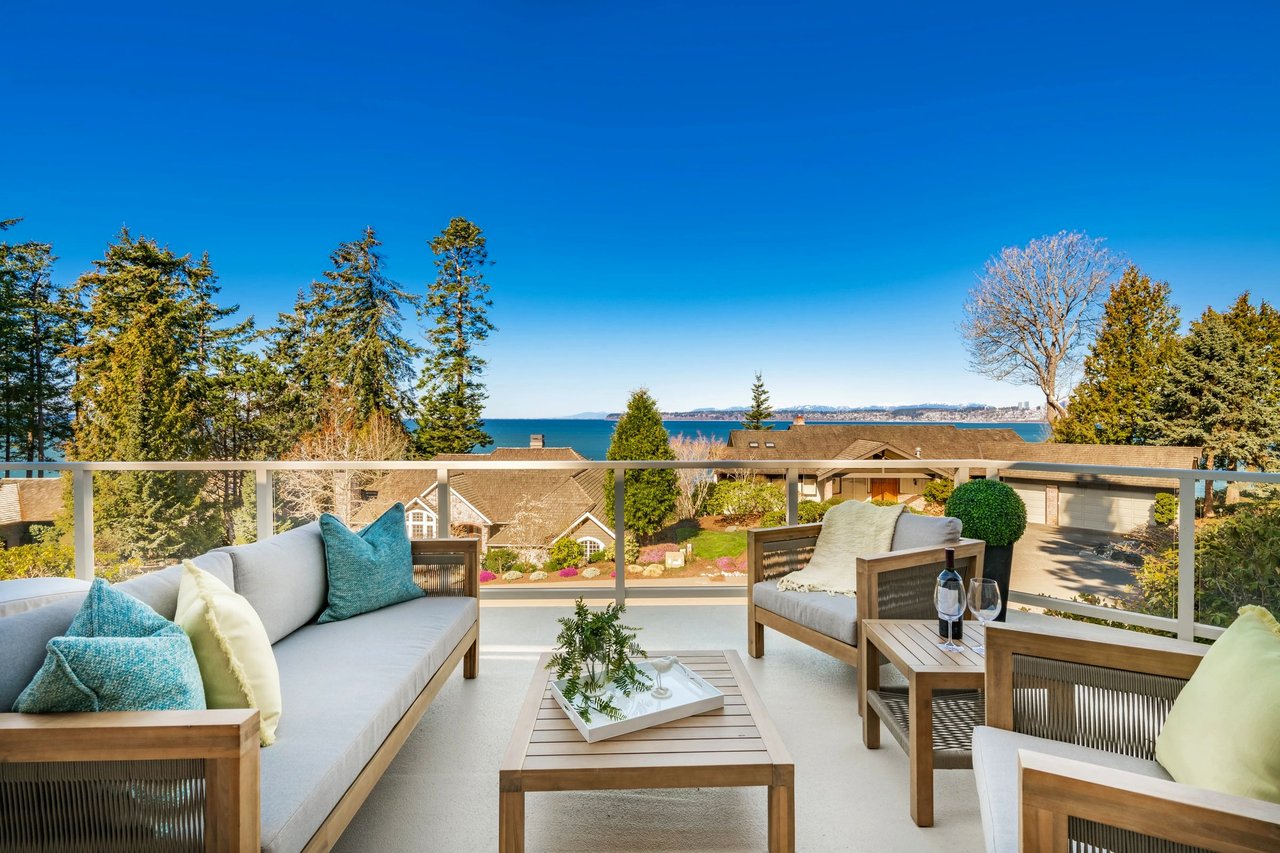
1. The First 3 Photos

Where buyers make their first emotional connection
For most buyers, the very first interaction with your home happens online. Within seconds—and often within just the first three photos—their unconscious mind decides whether to lean in or scroll past.
If those initial photos don’t create an emotional connection, buyers may never view the rest of the listing or schedule a showing. Strong listing photography isn’t about showing everything; it’s about showing the right things first.
This is why we carefully curate the opening images of every listing. The goal is simple: help buyers fall in love in three photos or less.
2. The Last 3 Minutes of the Drive to the Property
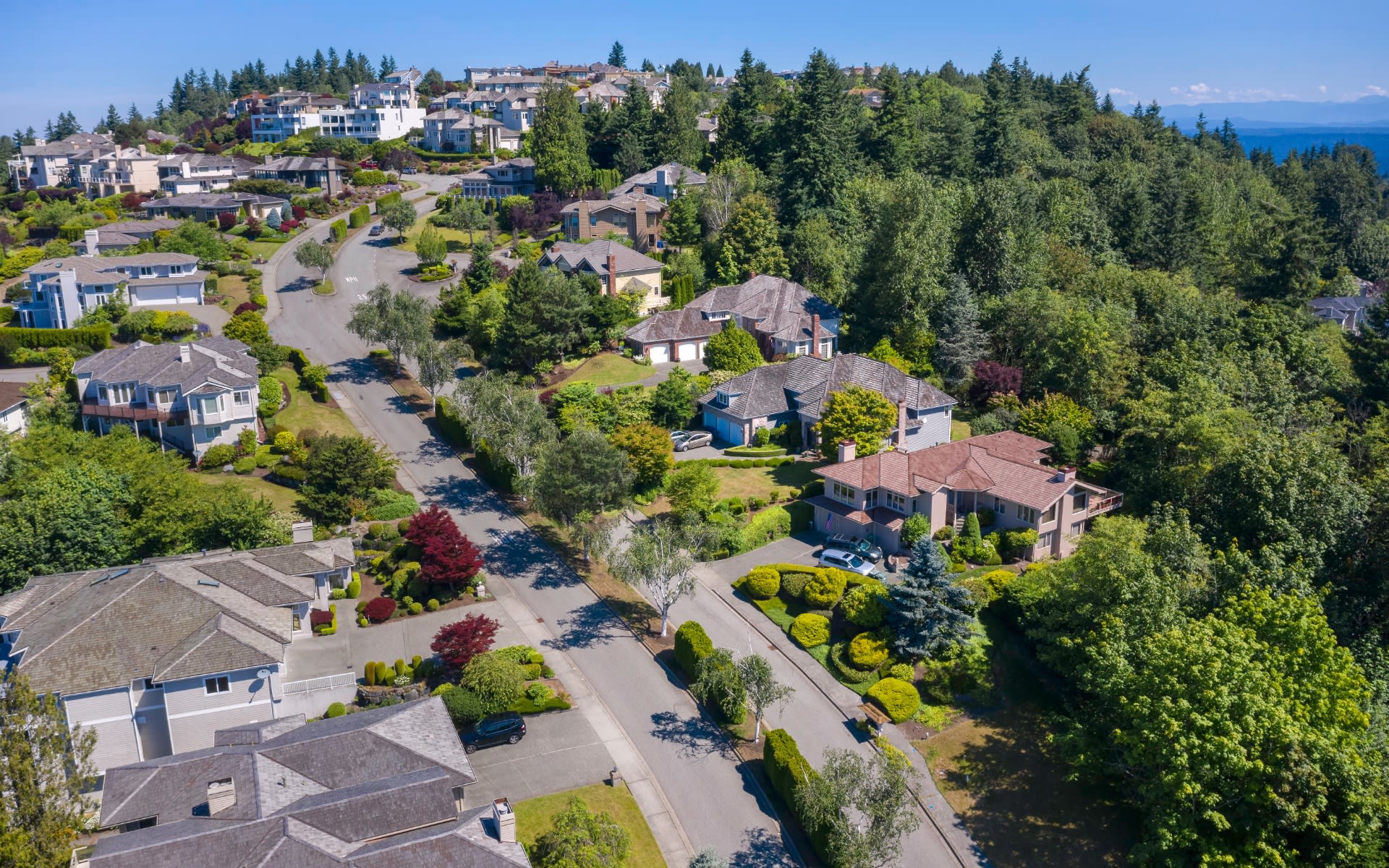
Where buyers form opinions before they even arrive
Long before a buyer parks the car, they’re already forming impressions. The final few minutes of the drive—entering the neighborhood, seeing nearby homes, noticing light, activity, and surroundings—carry real emotional weight.
Some factors are out of a homeowner’s control, but many aren’t:
-
Listing timing can matter if your neighborhood looks best in a certain season
-
Choosing the right day of the week can help avoid distractions like garbage day
-
Open house timing can take advantage of the best light and neighborhood energy
-
In some cases, proactive conversations with neighbors can help address visible issues
Small, thoughtful decisions here can significantly improve how buyers feel before they ever step inside.
3. The First 3 Steps Between the Car and the Front Door
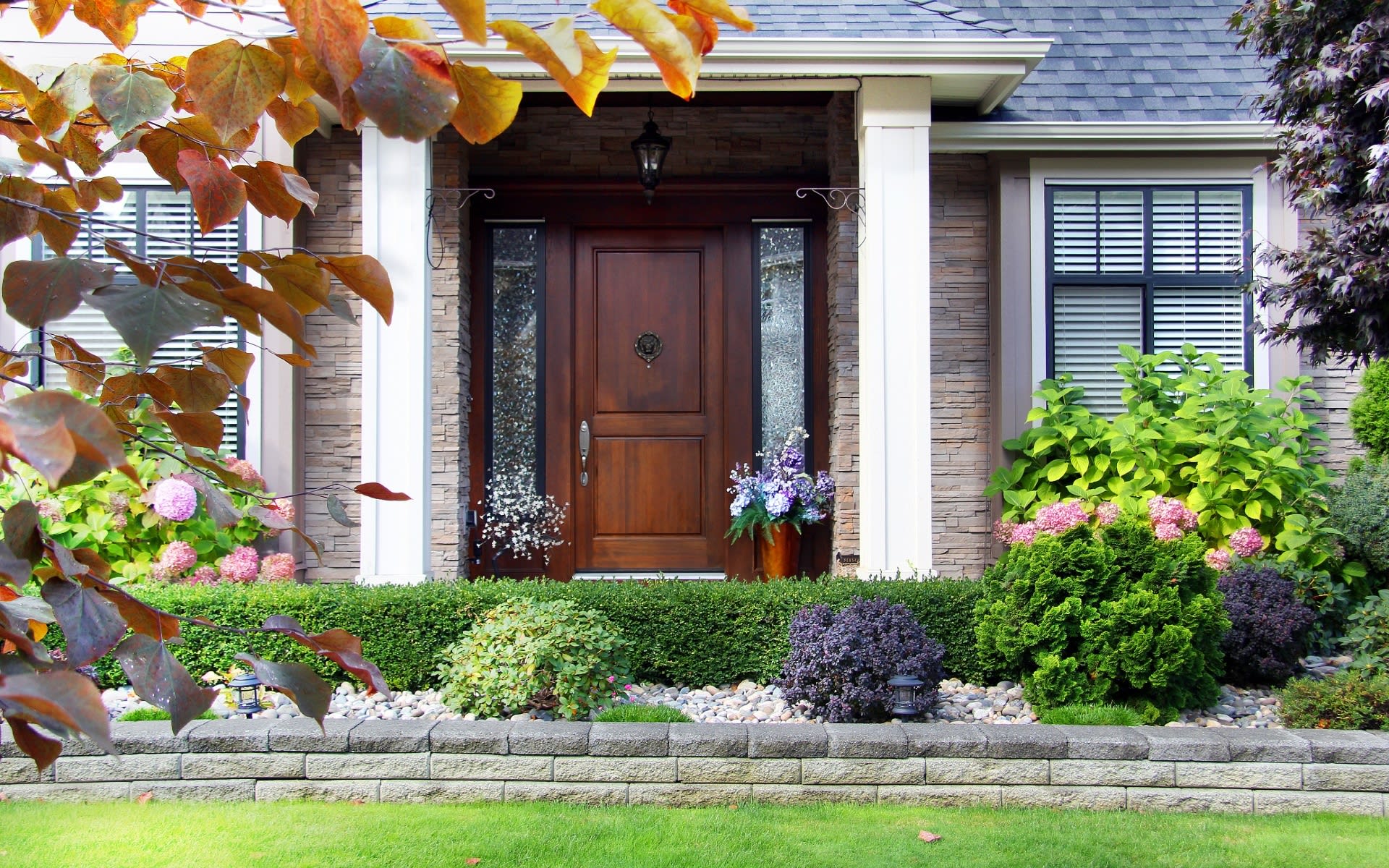
Where curb appeal becomes personal
Once buyers arrive, the transition from the car to the front door is a powerful moment. This is where curb appeal becomes experiential.
Buyers subconsciously notice:
-
Where they’re parking and how that space feels
-
The condition of walkways, landscaping, and entry lighting
-
Signs of safety, cleanliness, and care
These impressions happen quickly, but they matter. A clear, welcoming, well-maintained approach signals pride of ownership—and sets the tone for everything that follows.
4. The First 3 Things They Notice After Walking Inside
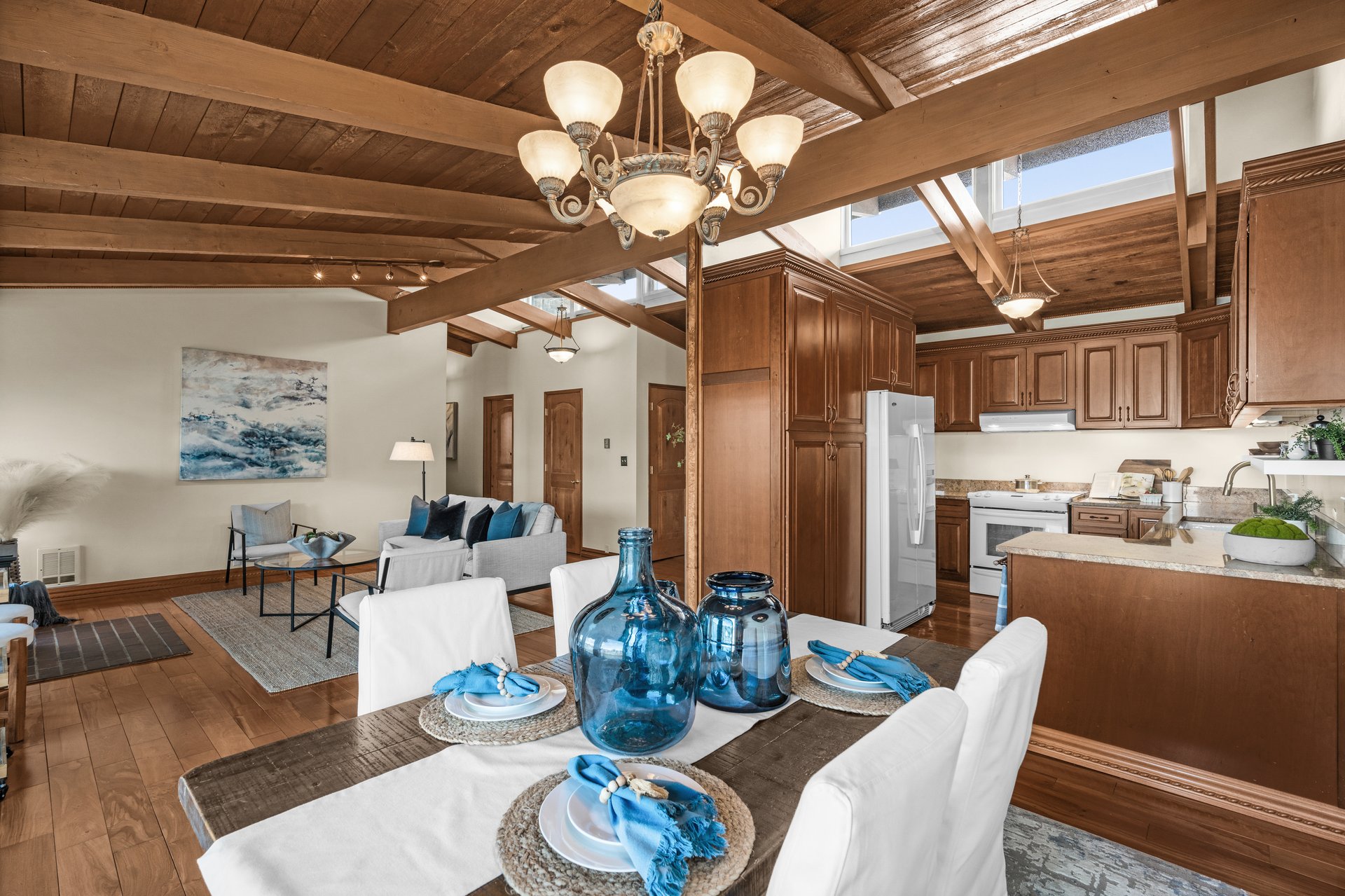
Where first impressions become lasting impressions
You truly only get one chance to make a first impression. When buyers step through the front door, they immediately begin processing sensory information—not just what they see, but what they feel.
Common make-or-break moments include:
-
A front door that opens smoothly and feels solid
-
Smell (scent is one of the strongest emotional triggers)
-
Light—does the home feel bright, open, and welcoming?
This is also where thoughtful staging, paint color, and lighting pay off most. The goal isn’t perfection—it’s creating a space that feels warm, cared for, and easy to imagine living in.
5. The First 3 Digits of the Listing Price

Why “pricing on the bridge” is really about online search behavior
This is one of the most misunderstood parts of pricing a home.
“Pricing on the bridge” isn’t about gimmicks, tricks, or simply pricing just under a round number. It’s about understanding how buyers search for homes online—and making sure your home shows up where it should.
Buyers search in price brackets
Most buyers don’t browse the entire market. They set minimum and maximum price filters, which creates distinct groups of buyers. For example:
-
One group may be searching for homes between $800,000 and $1,000,000
-
Another group may be searching between $1,000,000 and $1,250,000
The shared threshold—$1,000,000—is what we refer to as the bridge.
Why the bridge matters
If your home is priced at $1,000,000, it has the opportunity to appear in both searches:
-
Buyers capped at $1,000,000
-
Buyers starting their search at $1,000,000
But if that same home is priced at $995,000, the second group may never see it at all—because their search filters automatically exclude homes below their minimum price.
So pricing on the bridge isn’t about “pricing low.” It’s a visibility strategy designed to ensure your home is seen by the widest possible group of qualified buyers.
When this strategy works best
“On the bridge” pricing is most effective when:
-
the home truly fits the value range around that threshold, and
-
buyers are actively searching online with filters (which is almost always the case).
It’s not a magic formula, and it’s not appropriate for every property. But when used correctly, it can increase exposure, drive stronger showing activity, and help create better negotiating conditions.
Why the Five 3s Matter
Each of these moments happens quickly, often without conscious thought—but together, they shape the buyer’s entire experience of your home.
Selling successfully isn’t about one big decision. It’s about dozens of small, intentional ones—made before your home ever hits the market.
At Austin & Martin, we help sellers prepare for each of these moments with clarity, strategy, and care—so buyers don’t just see your home, they feel it.
If you’re considering selling and want to understand how these Five 3s apply specifically to your home, we’re always happy to start with a conversation.